“The reports of my death have been greatly exaggerated”, Mark Twain
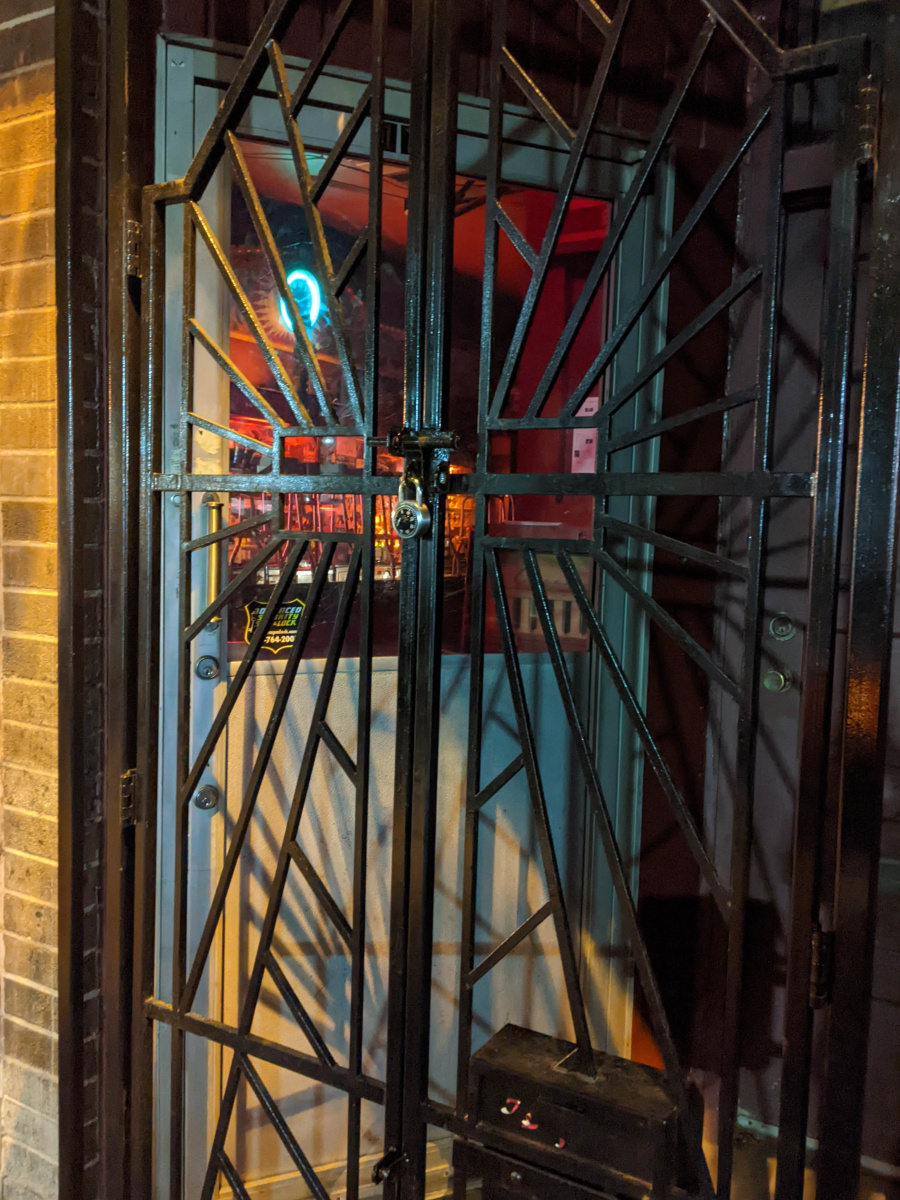
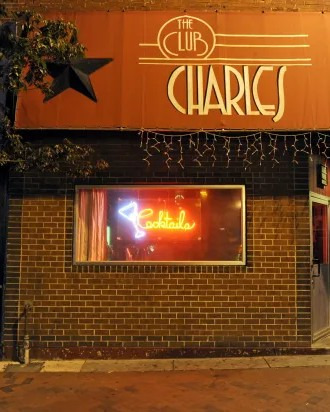
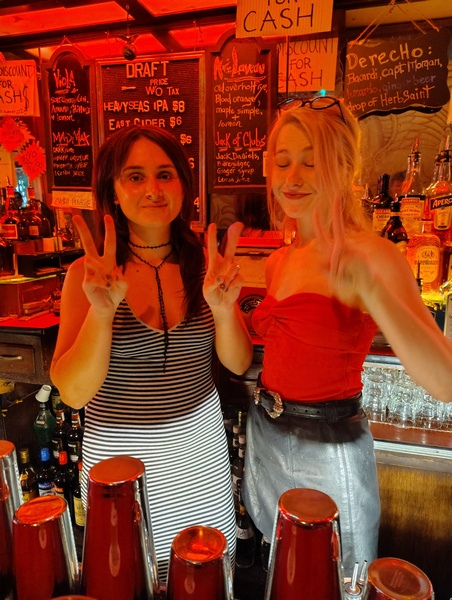
*For the last few months and possibly years, it was rumored the Club Charles was permanently closed. I have driven by it many times and was never open. Even Google stated it was closed, all my friends thought it was closed. I think FB says it was closed. Recently, after a few rounds at the Mount Royal Tavern, I decided to check out the Club Charles. Discovered, NO, not closed but YES, was closed for an extended periods in 2026. The lovely peoples behind the bar said regular hours are Wednesday – Sunday from 7:00pm – 2:00am. They said look for the neon lights in the window, that means we’re open! It certainly was a bonus night out!!! It’s back in the rotation!
The Club Charles is located at 1724 Charles Street (21201), across from the Charles Theatre and restaurant Tapas Teatro a great eatery and bar. Located just down the street is the historic SNF Parkway, a multi-use space for artists and performers and home to the Maryland Film Festival. People you might meet here will overwhelmingly be artists, writers and educators. I’ve never referred to the Club Charles as Club Chuck, but then again I’ve never used the term MICA (Maryland Institute College of Art), it was always referred to as the Institute. It’s a cross-generational and cross-cultural hangout and drinking bar.
my first time at the club charles
I can’t or I really don’t want to tell you when I first discovered the Club Charles. Let’s put it this way, I first set foot inside the bar a long long long time ago! I recall it was during a Thanksgiving break from college, a friend invited me over for a Thanksgiving. I remember his house, awesome 3 story rowhome across from Patterson Park. First time I discovered servants stairs and a dumbwaiter. Nobody really used the dumbwaiter except to load dirty laundry and send it downstairs. But the rear servants stairs came in handy to get in and out of the house completely unnoticed.
Back to the Club Charles. Started heading out but not through the back stairs but somehow found myself on the rooftop of the house. My friend seemed to know a short cut so I just followed along and one way or another over several rooftops got to street level and the car. Understand, most of what went on that night is not very clear, but I know the second to the last stop was the Club Charles. Though, I’m from Baltimore, it had been many years since I lived there and at a young age moved to the suburbs of Northern Virginia.
This took place either Wednesday before Thanksgiving or Thursday post dinner. After a couple of quick stops at local corner bars, decided to head to the “Club Charles”. I can remember from the outside, it looks exactly the same as it does today with neon light and Club Charles canopy. But the surrounding area was suffering from urban decay at that time. The only real place of business open in that area was probably Club Charles. No Tapas Teatro, Charles Theatre was closed and the SNF Parkway was just a thought.
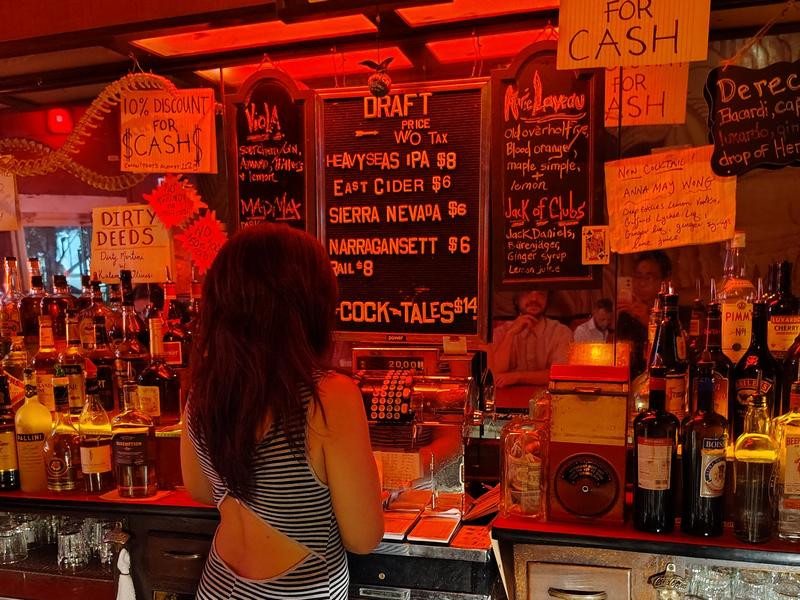
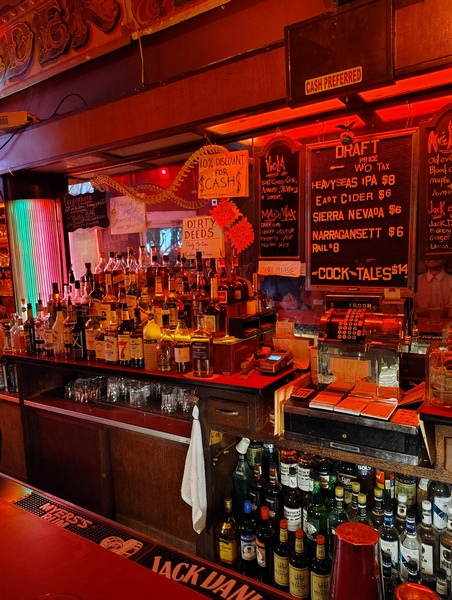
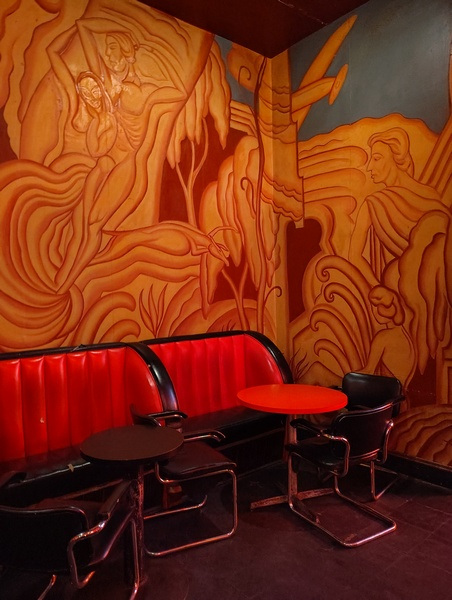
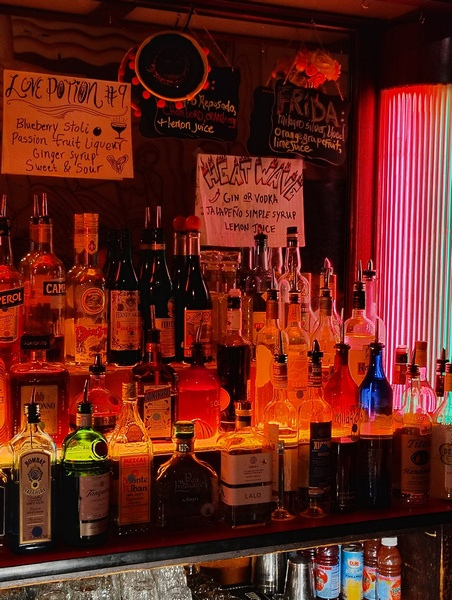
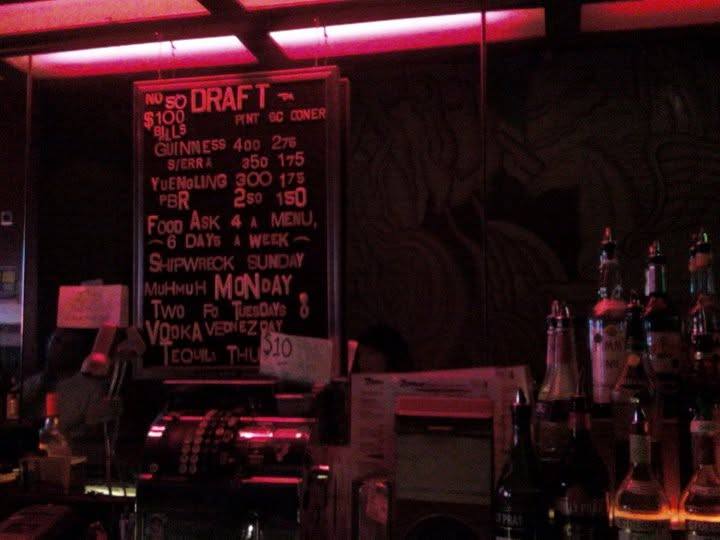
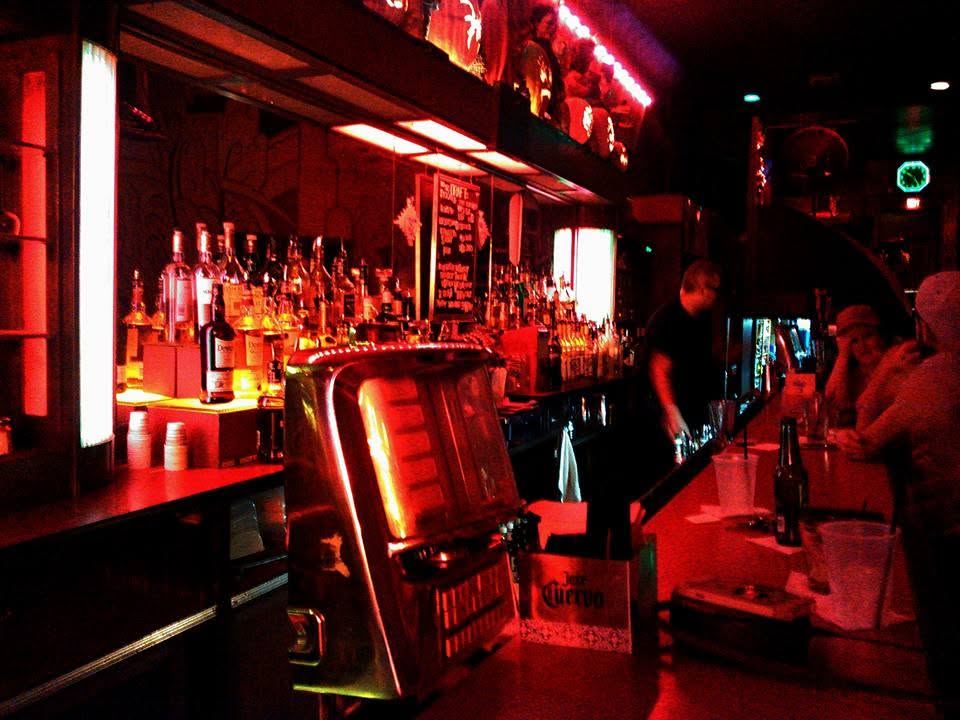
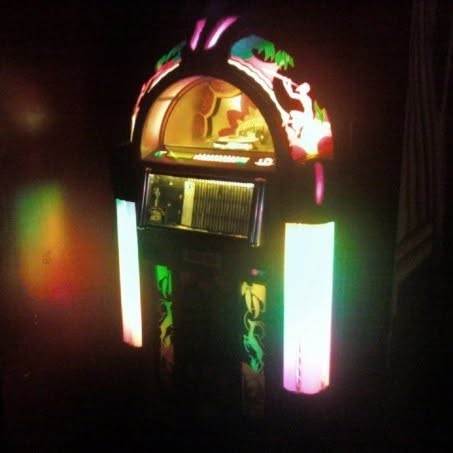
Once you got through the front door, it was a wonderfully different world inside. Growing up in the DC area, TGI Fridays was our happy hour place. Some DC bars were cool but nothing could compare. The Club Charles was the antithesis of everything the suburbs offered. It had (and still has) a softly lit red-hued atmosphere, two bar areas on different levels, a real jukebox, a real payphone and plenty of out of the way seating for privacy. The art-deco furnishings and art-deco wallpaper/mural fit the atmosphere perfectly. It was like walking into a different time, not old, not dated, just different.
For a college town on Thanksgiving break the crowd was surprising. Not jam-packed but someone was always within a few steps of you. You could tell who where the locals and people like me just being out and about on a holiday break. Don’t know how long we were there or how many drinks we had. However, I can remember my friend talking to a couple of girls at the bar. They looked to be college people, either home from school or did not go home for break. We found out later that evening they were roommates and postgraduate students that decided not go home for break. The rest of evening was spent drinking with lots of interesting conversation.
All in all a great memory from a long time ago. Ingrained that the Club Charles was the place to be. Today, it may be the same as it was years ago but the Club Charles still retains a newness no matter how often you have walked through the front door.
As for my friend and I, the Club Charles was the second to last stop that night. When we left, or how we got to the next place and where it was, I don’t remember. But our final destination later that evening took us to an impressive and spacious high-ceilinged loft complete with large industrial style windows and greeted by friendly smiles at the door, but that’s for another post…
It’s my Baltimore! Feel free and secure to message or text me 443-390-6599 or theunartist@outlook.com