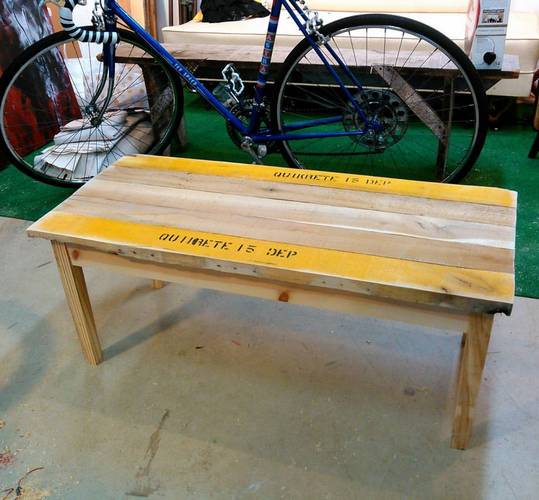
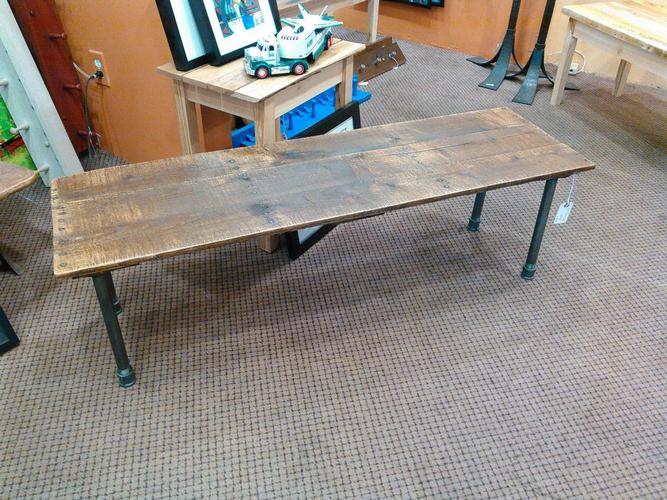
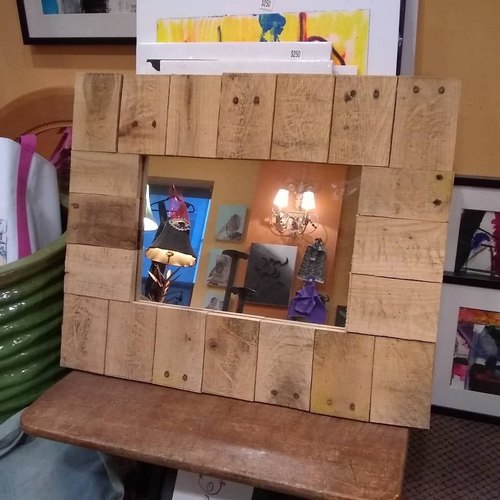
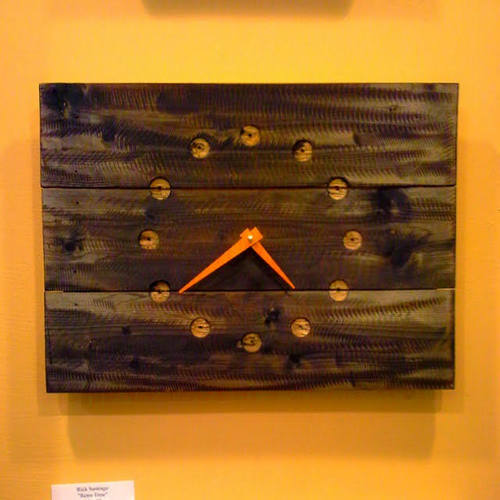
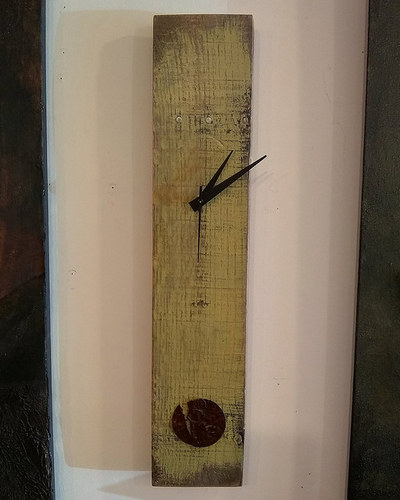
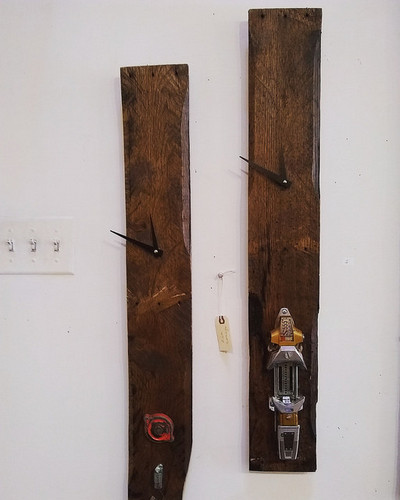
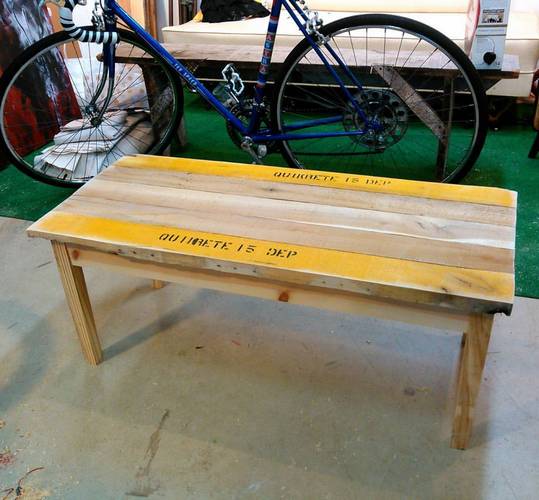
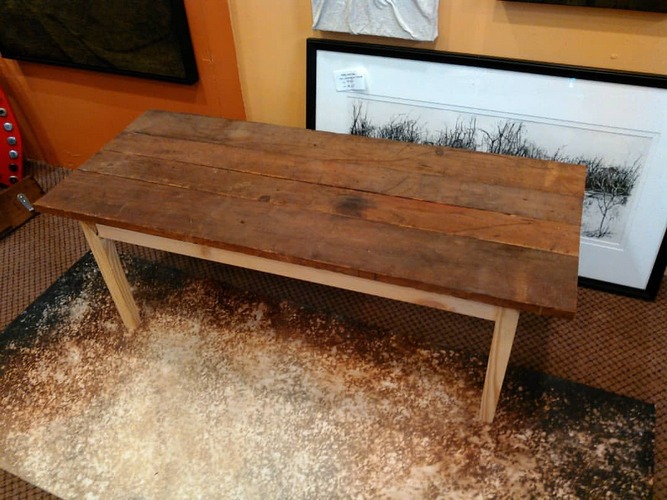
You've seen them sometimes on the side of the road, sometimes in your attic or sometimes in the alley. Pallets and old weathered wood sometimes make the best pieces for woodworking projects and more. For now, most Pallets are FREE plus some will already have a great Patina.
The average size of a shipping pallet is roughly 48" x 40" x 4". They are put together very very well and disassembling a pallet, to say the least, is a very difficult job. Shipping pallets typically use nails ranging from 2 inches to 3 inches in length, with an industry standard being 2 inches by .099 inches or 2-1/2 inches. Screw shank or ring shank are preferred over smooth shanks to provide high withdrawal resistance so the nails do not pull out under heavy loads and vibrations. In short, pallets are built to withstand the rigors of international shipping.
Not all pallets are created equal. I have found pallets that originate from Asia are the best. The wood is usually some kind of hardwood. Not just any hardwood, but you may find some Teak, Meranti, Merbau, and Rubberwood. The entire pallet is not usually made from the same wood. So each plank may differ from the next one.
In Asian manufacturing and export hubs, wooden pallets are frequently built using fast-growing or locally abundant Asian Hardwoods like Acacia, Rubberwood, and Meranti, as well as recycled tropical species such as Teak and Shorea. When standard plantation timber is unavailable, Asian sawmills use local forest species or lumber offcuts, resulting in pallets made of remarkably heavy, insect-resistant woods. Source
disassembling a pallet
You might find the best pallets at small to medium businesses versus large places like HD or Lowes. I have found the best pallets at my very local hardware store and bike shop. Imperfections and a little discoloration IMO is acceptable and for me desireable.
If you are lucky enough find a workable pallet for your project, disassmebling is not for the faint of heart. It will be difficult and sometimes impossible without damaging the wood planks. I have tried pulling the board and nails out with a heavy duty pry bar. This became too time consuming and the chances of removing the plank without damage was less the 50%. I ended up using a Sawzall tool and cutting through under the plank. Relatively quick with the right tools and always left the plank complete with minimal damage. This left the nail heads intact or nail holes exposed. Some saw marks on the underside of the plank is to be expected. If all else fails, simply cutting out each plank will work. You will not end up with a plank that's 40" long but instead you'll likely end up with 2 pieces in the 16" to 18" range. These sizes still work for various other projects.
old wood
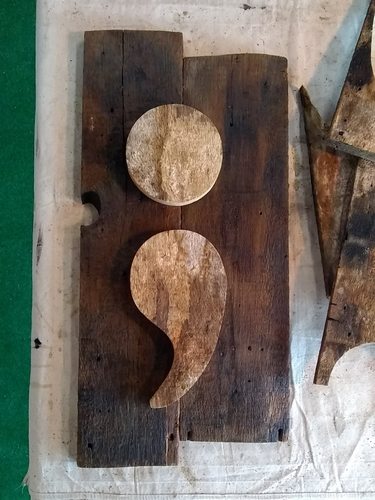
I have found old, sometimes abandoned wood make the best projects. Like Pallets, they will usually have a built in patina. All you need to do is come up with an idea. Some wood, will almost be ready to use as is. While others may take some work using specialized tools. One thing I try to avoid is sanding old wood. I mean, yes, some may need sanding but at the same time, once sand paper hits that wood, it's taking off the patina that only time can produce.
collar and cuffs match
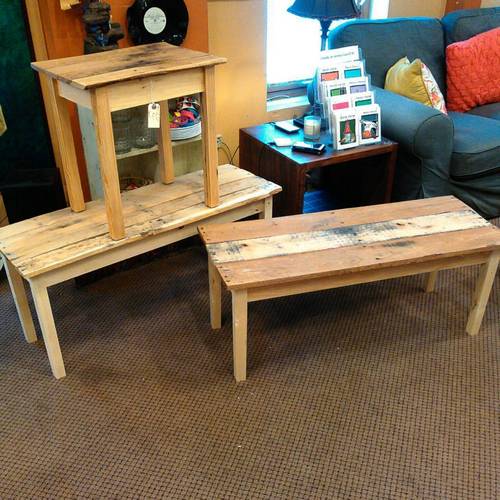
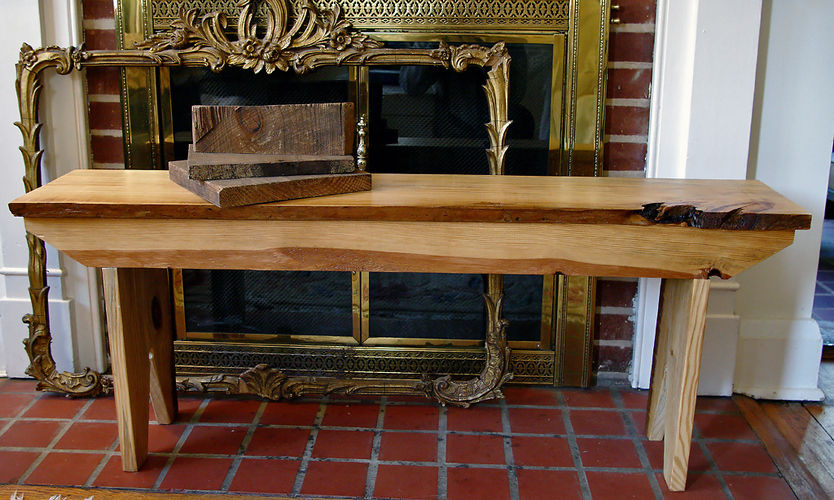
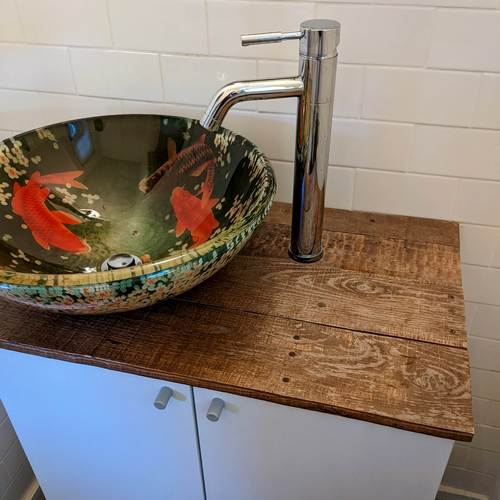
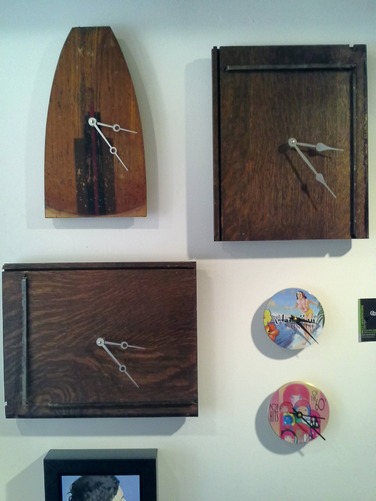
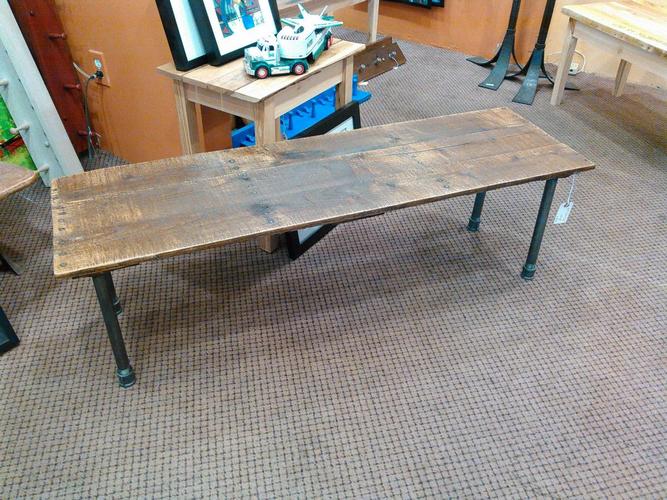
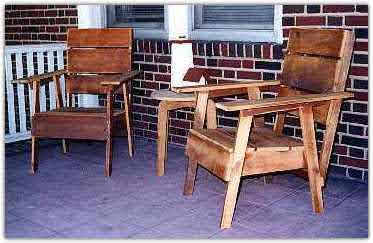
My only advice when using found wood or pallets, make sure your project matches the material or vice versa. Enhancement is better than competion. Above, left to right top to bottom; 1, 2, 3, 4, 5, 6, 8, 10, 13 are made with Pallet Wood, the rest are made from Found Wood. I do a lot woodworking, so yes, I can make my own table legs and skirts. However, there are plenty of alterntives, steel pipes and fittings you can find at most hardware stores or even shopping for table legs online. Though both are a little more costly. To keep table tops neat and aligned with no edge gluing, you must use a cleat on reverse side. Quickrete table #6 was edge joined using biscuits and clamped, these planks were thicker than most pallet wood which provided more gluing surface. Bench #9, I found the wood in my garage attic, it needed to be put through a surface planer, results were awesome and it also had the very popular "live edge". The Chairs #14, a great find heping out a friend clean out her basement. I believe the wood was once a shelving unit, there was enough to make the chairs. Minimal sanding and then polyurethane coated.
As of this writing, I've run across websites that actually sell pallet wood, can you believe that! It's like when artists are the only people willing to rent an abandoned run down warehouse, turn it into a vibrant space then developers come in, take it away or price it out of reach. Just Keep Finding!
Rick Santiago - THEUNARTIST
theunartist@outlook.com or message me (443) 390-6599